2026 Tokyo Marathon- In the pursue of the pacers
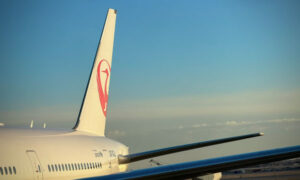
Last week I completed the 2026 Tokyo Marathon. I entered the marathon as my first international major, aiming for my third World Marathon Majors star after completing the New York City Marathon and the Chicago Marathon a few years back. Training started as soon as I got in and was blended with preparation for the Umstead 100, which meant tons of long runs and massive mileage, but less speed work than ideal.
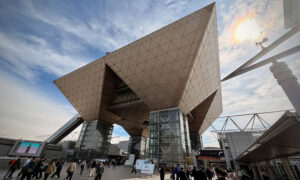
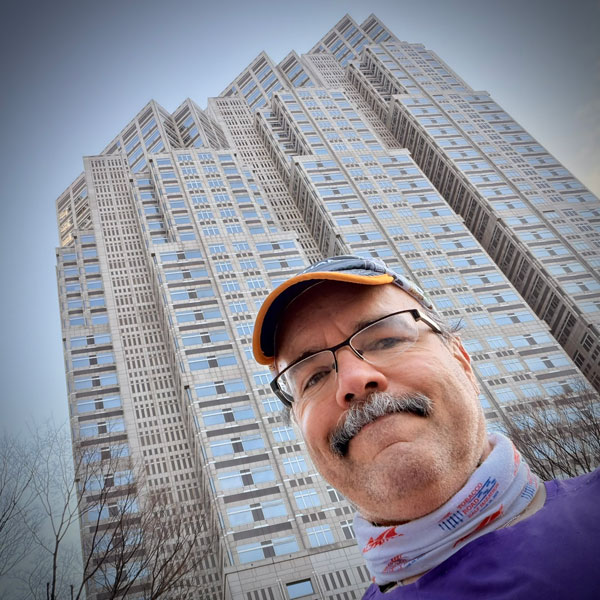
I arrived in Tokyo a couple of days before the race to be there with enough time to go to the expo and have a quick shakeout run and visit the start line before the race.
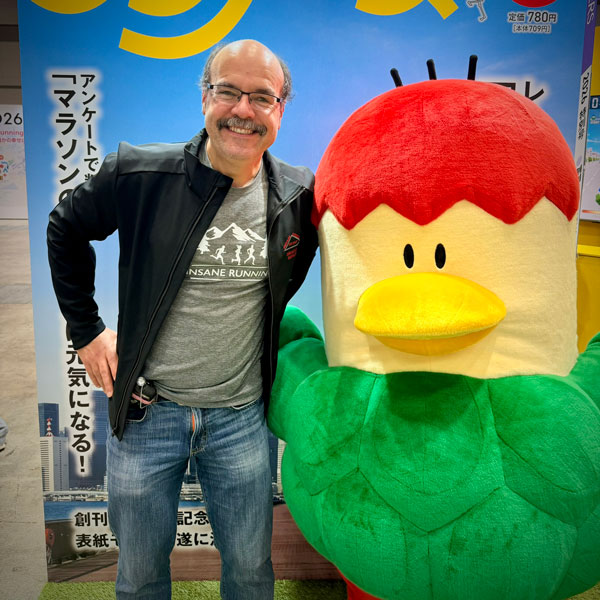
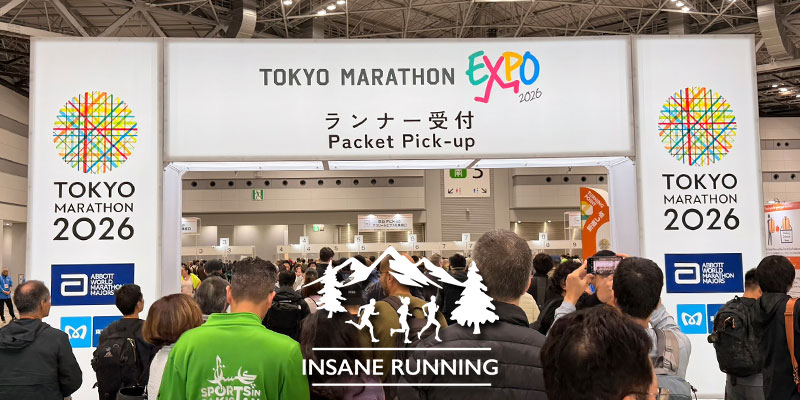
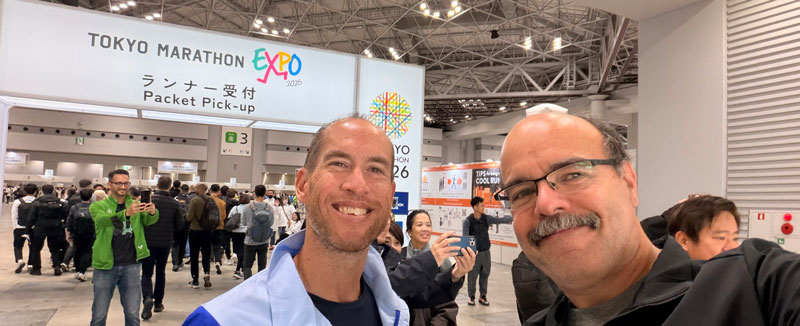
The Expo It was impressive—large, well-organized, and packed with big names like Brooks, Salomon, OOFOS and Hoka showcasing their latest releases. Garmin, Polar, Coros, and other major equipment brands were there, alongside many local brands handing out freebies to use before, during, and after the race.
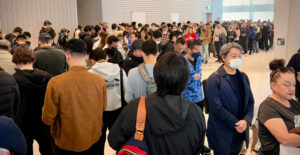
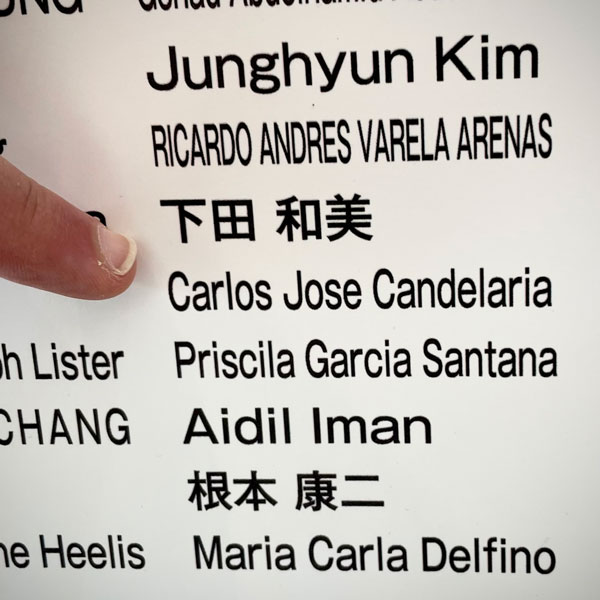
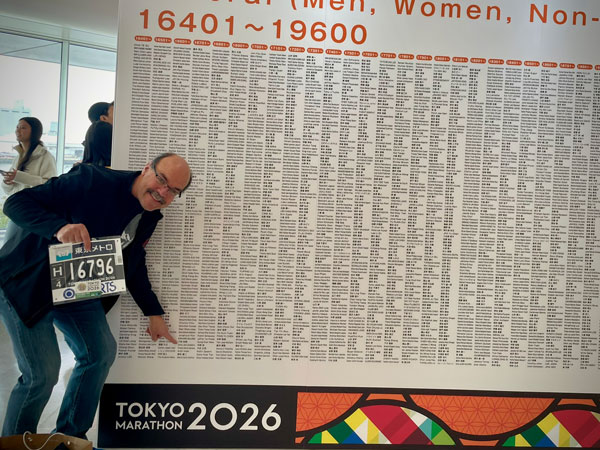
I got there just before opening and queued early to ensure the process went smoothly. I met another fast runner while making the line, Michael from Texas, who was very excited to run this event. Despite hearing that the expo in previous years might have been disorganized, I found this expo straightforward and efficiently run. Volunteers greeted runners with applause at packet and bib pickup, which was a great touch. The ID check gave me a brief worry since I used my driver’s license instead of a passport as an international runner, but it worked out. They fitted a wristband that, along with the bib, was required to access the corrals.
That evening, I fueled up on delicious ramen. The next morning, I took the subway to the start—no issues, as the system runs smoothly. I had scouted the route the day before to confirm trains and timing. Security check was easy, and there were plenty of bathrooms en route to the corrals. It was also great to receive a few text messages of encouragement from friends back home.
A notable change this year, runners were allowed to carry collapsible water bottles and hydration bladders, provided they were empty when entering the starting area. In previous years, fluids were only available at aid stations. I brought a single Tailwind packet, the equivalent of two scoops (I typically use three), planning to mix it at the corral.
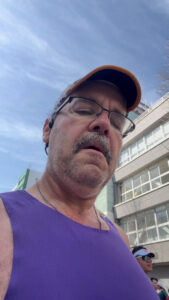
I was assigned to Corral H, where many runners were worried about the strict cutoff points throughout the course. Tokyo enforces these to reopen roads and sidewalks, effectively pausing the city across the marathon distance. At the staging area just entering the gate towards the corral, I was surprised to find an aid station offering water, “Pocari Sweat” (Japan’s Gatorade equivalent), and gels right at the start—especially impressive given the constrained space. It reminded me of New York’s start area with coffee, and bagels, but Tokyo’s setup felt finely tuned. It was chilly morning, and I wished for a sweater, but I toughed it out despite some shivering. Volunteers were everywhere, guiding runners to the correct gates and keeping things well organized.
The start was a rolling start: corrals staged the runners, but once the race began, everyone advanced in a continuous flow rather than in distinct waves like New York, Disney, or Chicago. We had both gun time and chip time. I initially spotted the 4:30 pacers about 30 seconds ahead within the corral, but a timely, empty porta-potty near the corral pulled me out just before turning to the road for the start line. By the time I rejoined at the back of Corral H, I lost sight of the pacers.
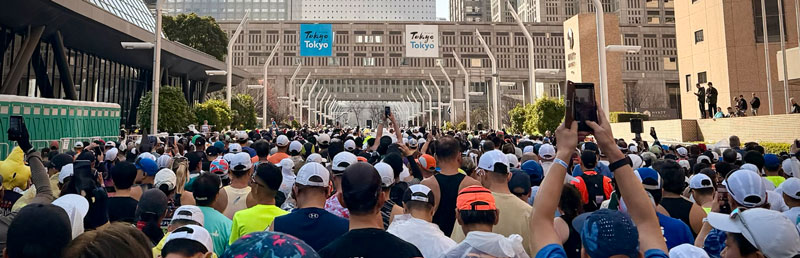
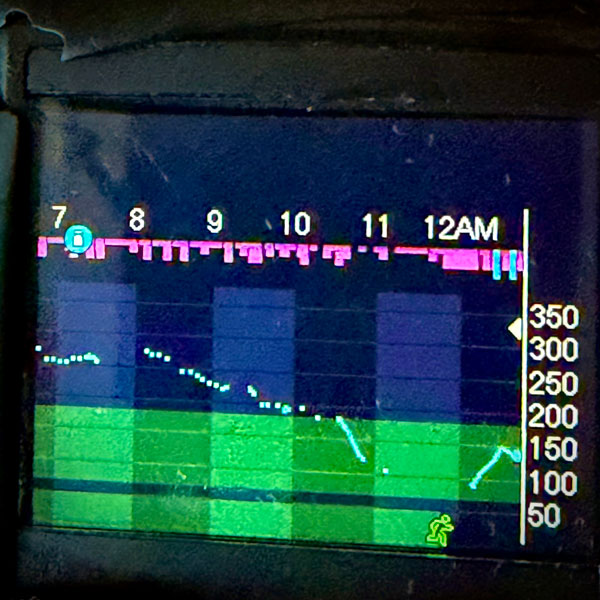
The route towards the starting line was crowded but electric—volunteers and spectators lined the route, and the atmosphere was buoyant. Sugars were on the high side, runnable but high. I waited to see how they were going to behave after I started running. Even being on the high side, I did a temp basal for a few hours to make sure the pump will not over correct, giving me an issue with a low.
My running plan was to keep the first three to four miles super easy, knowing temperatures would rise later. I committed to a personal rule: avoid zigzagging too much. Instead, I let the pack’s flow set my pace to conserve energy. The weather at the start was phenomenal—sunny, a light breeze, and perfect morning running temperatures—and the no-zigzag strategy felt smart and sustainable.
Miles 1-5
The opening stretch was exciting and mostly downhill. I focused on a comfortable, solid pace to warm up, letting the crowd help set a steady rhythm around a 10:20 per mile pace. The atmosphere was electric—spectators cheering, striking architecture, and incredibly clean roads thanks to volunteers collecting trash along the course. At the first aid station, I topped off my handheld after drinking about half of it. From the start, I committed to refilling my bottle at every station—even if it cost a few seconds—to ensure consistent hydration.
At subsequent stations, I grabbed Pocari Sweat if possible and kept water in the bottle, which proved to be a strong hydration plan. My routine became: drink between stations, refill every time, and supplement with station offerings. The consistent top-offs kept me feeling secure, especially as the crowds made the early miles dense and energetic.
Miles 6-10
The downhill tapered off into flat terrain, and Tokyo’s reputation as a fast major held true, as you could see many runner taking advantage of the fast course seeing them coming back from the first turnaround. I maintained a 10:00 to 10:10 pace, took a gel, refilled the bottle at every station, and added some Pocari3 Sweat. With the sun out, heat management became a priority. I used a cap-on/cap-off approach: wear the cap in sunny segments to shield eyes and neck; remove it in the shade or when a breeze picks up to cool down. This dynamic strategy helped me stay not too warm but steady, sweating yet able to hold pace with strong-feeling legs.
My continuous glucose sensor was intermittently dropping connection—a quirk I’ve noticed with the newer model of sensors. To avoid overcorrection and the risk of going low in later miles, I chose minor manual adjustments based on recent readings rather than letting the pump fully auto-adjust whenever the signal cut out.
Miles 11-15
The course remained flat and crowded. Even at a conservative pace, I started passing a few runners. Earlier in the week, I’d promised my team at work I’d dedicate a few miles to them after mile 10. Around mile 11, I pulled out my phone and recorded a video message for them— I was surprised that I was able to speak in multiple complete sentences. I provided them with a view of runners ahead and behind, and words of appreciation in honor of the company’s employee appreciation week—then sent it while still running. That moment confirmed I was feeling strong, even if we hadn’t reached the halfway mark yet.
At the mid-race, the outlook looked good. I planned to hold this pace through at least until mile 15, then gradually pick it up in the later miles to start gaining time. My on-the-fly estimate had me finishing around 4:35–4:40 if I kept this pace. Hydration remained on point—I was nearly draining my handheld between stations—and heat management continued with the cap strategy and taking advantage of breezy sections. I realized that I was drinking more water than the energy drink, so I decided to take a salt tablet to make sure I had enough electrolytes just in case to prevent possible muscle cramps. The field still looked generally fresh, though a few faces showed the strain with heavier breathing and effort, which helped me gauge my own condition: steady, controlled, and ready for the miles ahead.
Miles 16-20
Somewhere around miles 16 to 20, things really started clicking. I nudged the pace down from those earlier 10:30s to around 9:30–9:45 per mile running pace and felt strong—legs turning over, fueling on point, and water station strategy dialed. I even topped off my bottle with Pocari Sweat at one aid station. By then, I could see runners starting to struggle—lots of folks walking—and that gave me a little reality check to stay smart while pushing.
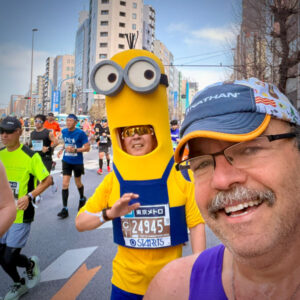
Then I spotted a runner dressed as a minion. My daughter loves the minions, so obviously I had to snap a photo. The crazy part? He was actually running in that costume. Respect.
At the turnaround, I finally got eyes on all the pacers—sub-4, 4:00, 4:15, and the 4:30 crew. I’d been trailing the 4:30 pacers earlier, but with the pace pickup, I was inching closer. Jamie had texted me before the race telling me I could hit 4:30, and that message stuck in my head like a mission statement. I was officially on the hunt.
Miles 21-26
The sun was fully out, and the temps were up, but I was still feeling solid. Same plan at the water stations, steady fueling, and I kept checking in with my legs—good push-off, good lift, still moving well. My heart rate crept into the upper 150s, flirting with 160, right near my upper zone 4. I didn’t want to blow up, especially since the wall often smacks people past mile 18-20, so I stayed intentional with effort.
The cooling hat strategy helped a ton. A few early stations had water-soaked sponges to pour over your head, and I missed two of them before realizing it, and it was too late to grab one. At the third station that offered them, I was able to grab one, drenched myself with cooled water, and felt a real boost from the refresh.
Right around mile 22, a woman just ahead of me tripped and fell. I stopped, helped her up—she was shaken and speaking German—then got back into my stride. After that, I started passing a lot of runners—some jogging, many walking—and that gave me even more energy. The 4:30 pacers were now clearly in sight, and I made steady progress without burning too many matches.
Miles 23 to 25 were the grind. Holding 9:30–9:45 took real focus. I zoned out a bit from the scenery and locked in on breathing, fueling, timing, and cooling. Then I got a text from our running friend Charu, cheering and watching the timing from back home. That made me smile and gave me some more energy. Still, I kept telling myself: don’t chase too hard, just chip away. By the end of mile 25, they were right there.
Miles 26 to Finish
On the way back, past the last turnaround, that final mile felt like forever. I promised myself I’d catch the 4:30 pacers before the end of mile 26, and I did. With one last push through 26, the point-two—and honestly, it felt like point-five because it was—I moved past them and kept going. They were tuning their pace to nail a 4:30 finish, and I knew I’d land under that since I’d started way behind and reeled them in.
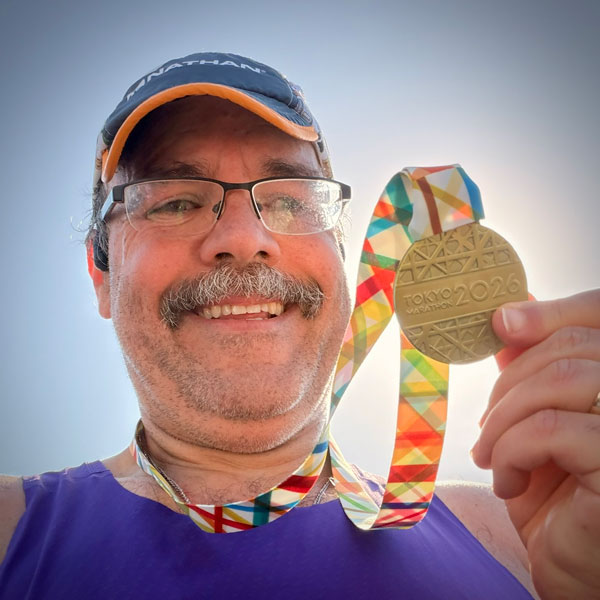
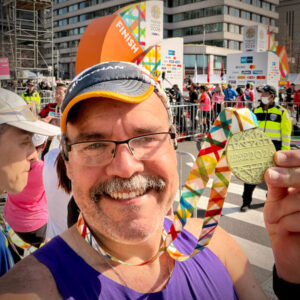
There were a few moments where easing up sounded nice, but I kept repeating: keep pushing; the finish line is just around the corner. Crossing that line was pure joy. The finish area was buzzing—big crowd, tons of goodies, high energy everywhere. I came in well under 4:30, and Jamie’s text from earlier was ringing in my head. Planting that seed made a difference for me.
The event was top-notch. The course flowed, the organization was tight, and the crowds were nonstop. I was blown away by how many volunteers lined both sides of the route, even holding bags so runners could ditch gels and trash on the fly. Super convenient.
Even though I didn’t need a restroom break, the bathroom signage was elite—clear markers for where they were and how far to the next set. Same with water, aid, and medical stations—spot-on markings, easy to spot, and well run.
Entertainment-wise, it’s not Disney-level with bands, shows, and characters every half mile, but there were a few music spots, dances, and, honestly, it was not needed; the cheering from the spectators never let up. If there was a quiet stretch, I missed it. Most of the way, there was at least a single line of spectators, often doubles, or big clusters at major road crossings. Costumes were lighter than I’ve seen in other races—caught a samurai, a few Marios, a Pokémon, and that legendary minion—but not many overall.
I’m thrilled with the performance and grateful for the training that got me here. Huge shoutout to my strength coach—the work paid off in strong legs deep into the race. Big love to my family for their support, especially my wife for being there on race day. And to the runners and friends who cheered me on, plus the texts that popped up on my watch mid-race—you kept me moving.
Would I do this event again? In a heartbeat.
Highlights:
Course: Lots of runners, soft downhill the first 3-4 miles, then mostly flat. Very wide roads all the way, but lots of runners, expect to zig zag a little bit to pass runners. Aid stations might get crowded. The turnarounds are sharp, so with so many runners you might bump into runners.
Venue: At the finish, it was good, long walk, lots of goodies.
Expo: Phenomenal Expo – Better than last year with a few more vendors.
Weather: Mid 40sº at the start, climbing to mid 60s by mid race. Low humidity and sunny, not much sun coverage.
T1D: Sugars were on the high side for the majority of the event, but not enough to cause trouble.
Fueling:
Pre-Race: Couple pastries, black coffee and a Enervit about an hour prior to the start of the event.
Race: Tailwind, water, and Pocari Sweat at each of the aid stations, one Maurten, one TAP.
Post: Lots of water and lunch.
Learning Points:
- Applied the learning about taking easy and keep a watch on my heart rate better this time.
| Month/Year | Event | Location | Type | Time |
| March-26 | Tokyo Marathon | Tokyo, Japan | Full | 4:25:32 |